How We Work
Steady hands. Clear direction.
Whether we’re implementing software, improving performance, or supporting change - our job is to reduce noise, create clarity, and help your business run better under real conditions. If that sounds like how you prefer to work, we’ll get along just fine.
Calm seas come from a clear plan
Marinas don’t need drama. They need things to work - especially when it’s busy, understaffed, or the weather turns.
Our approach is practical, proven, and designed for real operating environments.
Not textbook examples. Not ideal conditions. Real marinas, real people, real pressure.
We bring structure, clarity and steady delivery - so progress feels controlled, not disruptive.

Understand the waters
Start with how your marina actually operates
Before suggesting solutions, we listen. We take time to understand
- Your marina layout, berth mix and operational rhythms
- Seasonal pressure points and peak-period realities
- Where work relies on individuals, memory or workarounds
- What’s working - and what quietly causes friction
This grounding ensures we’re solving the right problems, not just the obvious ones.
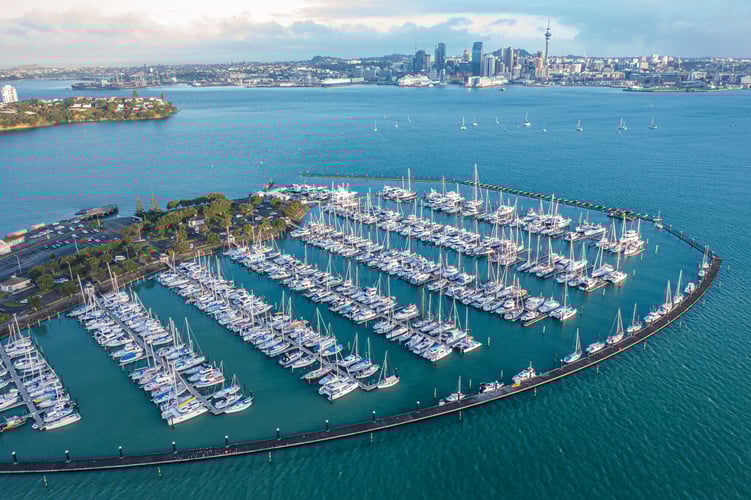

Chart the course
Clear priorities. Shared expectations. No guesswork.
Once the picture is clear, we define a practical plan. This means:
- Clear scope and priorities (what matters now vs later)
- Defined roles and responsibilities
- Milestones that respect operational load and seasonality
- Outcomes everyone understands - from board to dock
No vague roadmaps. No moving goalposts.

Implement properly
Hands-on delivery with ownership
This is where many projects lose momentum. We stay close to delivery:
- Hands-on involvement, not distant oversight
- Clear ownership of tasks and decisions
- Practical problem-solving as things emerge
- Steady progress without rushing or cutting corners
We run toward problems early - while they’re still easy to fix.

Bring the crew along
Adoption matters more than perfection
The best solution fails if people don’t use it. We focus heavily on:
- Clear communication - no surprises
- Role-based training that matches how people actually work
- Simple documentation teams can refer back to
- Support during the messy middle, not just go-live
Change sticks when people feel confident, not overwhelmed.
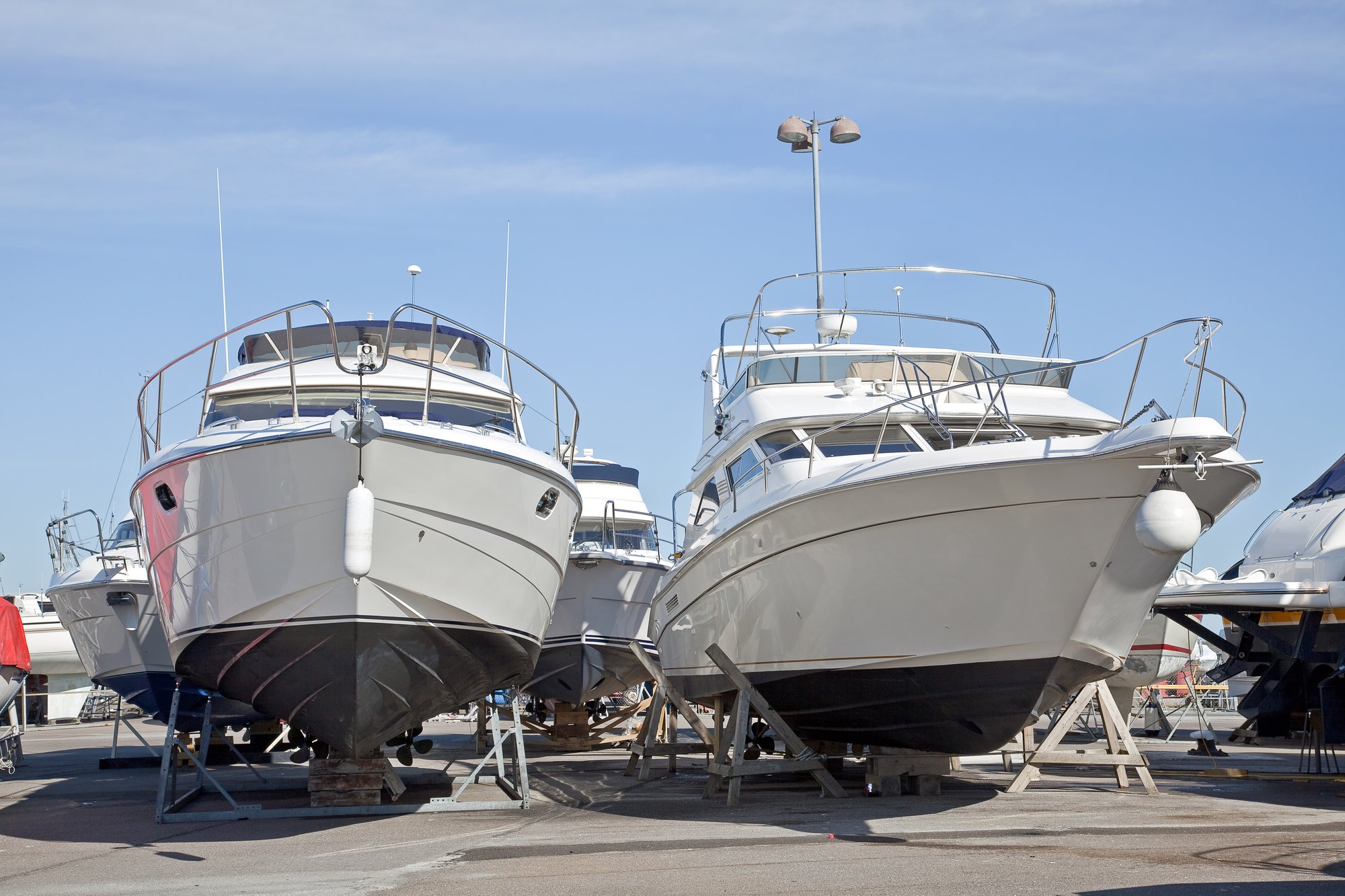

Optimise and refine
Improvement doesn’t stop at go-live
Live isn’t the finish line - it’s the start of better visibility. Post-implementation we help:
- Fine-tune processes and workflows
- Remove friction that only appears in real use
- Improve utilisation, margins and reporting over time
- Build confidence in decision-making with better data
No handover and goodbye’s. We stay focused on outcomes.
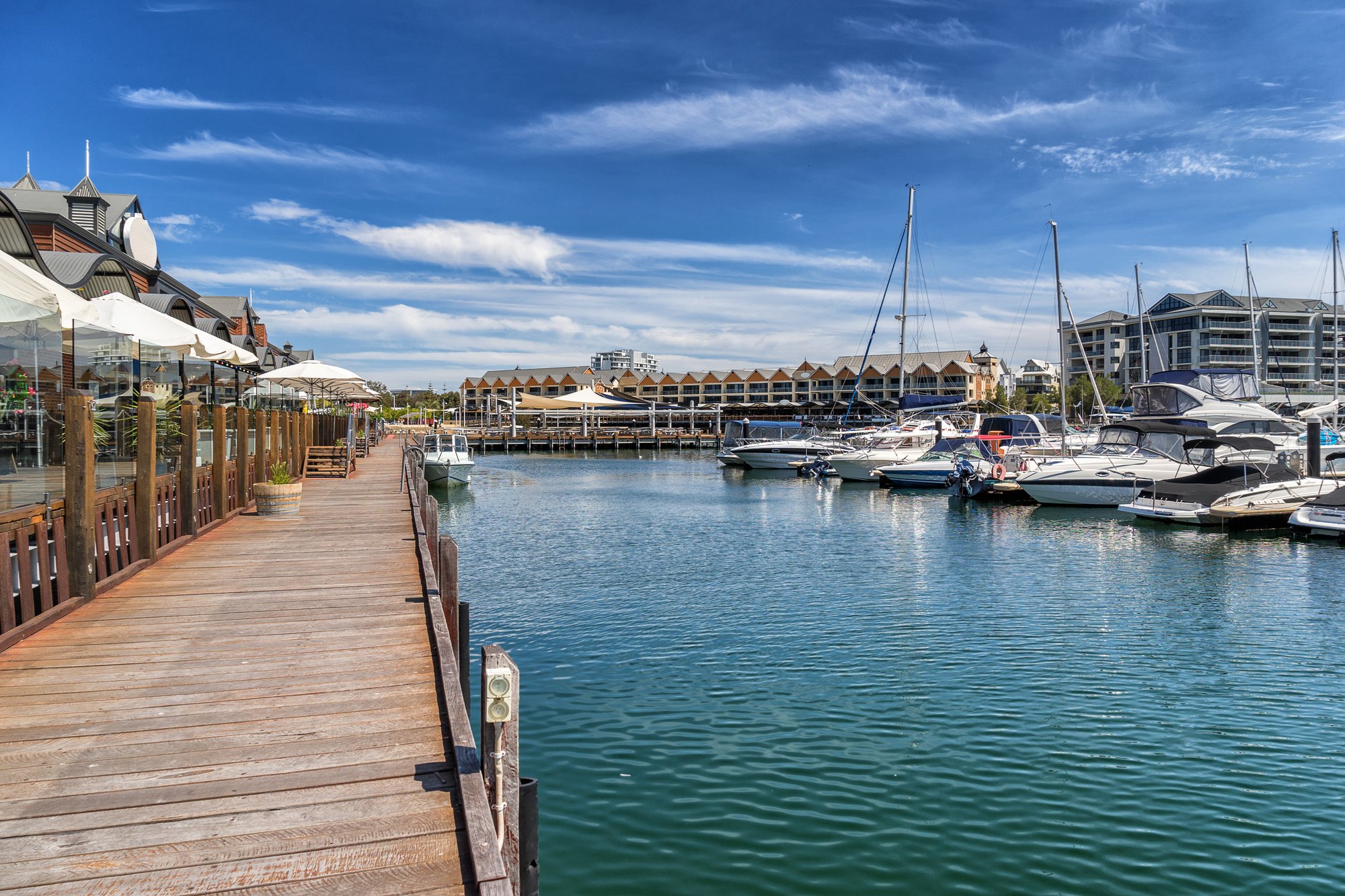
The principles behind how we work.
These aren’t slogans. They guide day to day decisions, trade-offs, and how we show up when things get busy.
Practical over theoretical
We focus on what works on real docks, with real people and real constraints. This means
- Solutions shaped around how marinas actually operate
- Simple processes that staff can follow under pressure
- Fixing root causes, not layering on workarounds
If it only works in a perfect world - we won’t recommend it.
Calm delivery over rushed chaos
Marinas are already busy. Change shouldn’t add stress. This means
- Clear plans and steady pacing
- Fewer surprises and no last minute scrambles
- Progress that feels controlled, even in peak season
Fast isn’t helpful if it creates confusion.
Independence over vendor bias
Our job is to give clear advice - not sell a product. This means
- Vendor neutral recommendations
- Calling out risks early, even when it’s uncomfortable
- Saying “not yet” or “not needed” when that’s the right answer
Trust matters more than ticking boxes.
Long term value over quick wins
We build for the marina you want to be running in five years - not just next month. This means:
- Sustainable processes that don’t rely on heroics
- Systems and structures that scale as the business grows
- Improvements that still make sense after the project ends
Short-term gains are fine. Lasting improvement is better.

What this feels like for your team
Clients often tell us the same things
- Things feel under control, even when it’s busy.
- People know what’s happening without chasing information.
- The team is less reactive and more confident in decisions.
- Questions drop off. Exceptions reduce.
- Systems start supporting the work, not pushing back against it.
That’s the point.
What this looks like in practice
A marina knows something needs to change - systems feel stretched, staff are busy, and too much relies on a couple of people who “just know how things work”.
We don’t start with software or solutions.
We spend time understanding how bookings flow, how berths are allocated, how yard work is coordinated, and where billing or communication breaks down during peak periods.
Together, we agree on what actually matters now - and what can wait.
Changes are introduced in stages, not all at once. Staff know what’s changing and why. Training is practical and role specific. When something doesn’t land quite right, it’s adjusted early.
There’s no big bang disruption. No long periods of confusion.
Over time, the operation feels calmer. Fewer questions bounce around the office. Information is easier to find. Invoices raise fewer queries. Decisions are made with better data and less gut feel.
Nothing about the marina feels “transformed”. It just feels under control.